Lazy Cat Embroidery Design Review
The First Impression of Lazy Cat
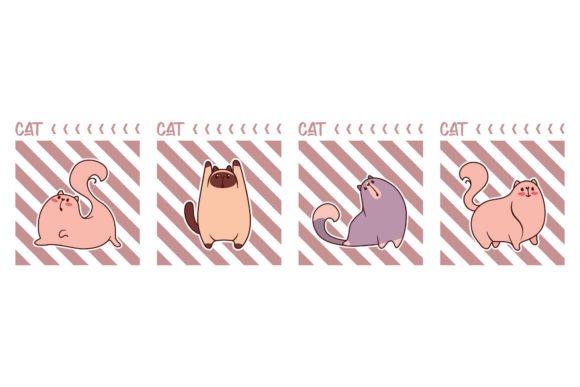
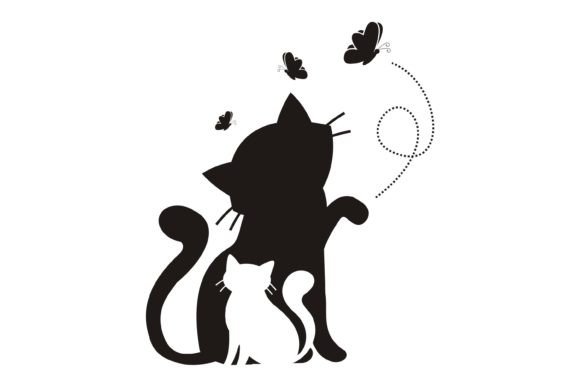
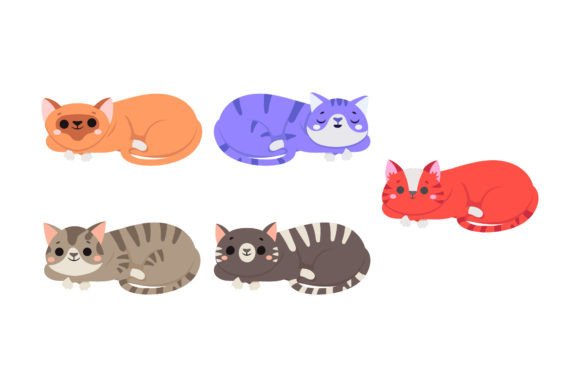
Lazy Cat immediately captures a laid-back, whimsical vibe. The design features a cat lounging in a relaxed pose, with soft curves and gentle lines that suggest comfort and ease. Its visual personality is friendly and approachable, making it ideal for projects that aim to evoke warmth and charm.
What Kind of Projects Does Lazy Cat Belong To?
This design naturally fits into casual, everyday items. It works well on tote bags, sweatshirts, and baby clothes, where the playful aesthetic can shine. Lazy Cat also has potential for holiday gifts, personalized gifts, and small shop merchandise that leans into a cozy, handmade feel.
Real-Life Embroidery Scenarios
When considering Lazy Cat for a custom embroidered tote bag, the design’s simplicity and clarity make it easy to stitch without overwhelming the fabric. On a sweatshirt, it adds a subtle yet distinctive touch that stands out without being too busy. For baby clothes, the design’s soft lines are gentle on the eye and suitable for delicate fabrics.
Performance in Different Embroidery Situations
Lazy Cat performs well on most standard embroidery projects. It adapts nicely to caps, patches, and aprons, where its size and layout allow for clear stitching. However, it may not be the best choice for intricate details or areas with limited space, such as small hoop sizes or curved surfaces.
Where to Use Lazy Cat Carefully
On textured fabrics or thin materials, the design might lose some definition. Stretchy fabrics could cause distortion if not properly stabilized. Dark fabrics may require a contrasting thread color to ensure visibility. In dense stitch areas, the design might appear less crisp due to the nature of the fill stitches.
Impact on Visual Appeal and Customer Perception
Lazy Cat enhances the visual appeal of any project it’s used on. Its clean lines and simple form make it easy to recognize and appreciate. As a handmade product, it adds value by offering a unique, personal touch that customers often seek. For an Etsy seller or craft business, this design can boost buyer engagement and create a sense of trust in the quality of the finished product.
Design Considerations for Embroidery Professionals
Before using Lazy Cat on a client project, it’s wise to test the design on scrap fabric. This helps determine how the stitch density and thread colors interact with the intended material. Checking the design in black and white mockups can also reveal how it looks on different backgrounds, especially when working with light or dark fabrics.
Practical Tips for Using Lazy Cat
- Test on scrap fabric: Ensure the design stitches cleanly and matches expectations.
- Check thread color contrast: Make sure the chosen thread complements the fabric and design.
- Review stitch density: Avoid overly dense areas that could cause puckering or distortion.
- Confirm hoop size: Ensure the design fits within the available hoop dimensions.
- Inspect small details: Check for any elements that may not stitch well or appear unclear.
- Use proper stabilizer: Prevent fabric distortion, especially on stretchy or thin materials.
- Verify licensing: Confirm that the design is suitable for both personal and commercial use.
Best Uses for Lazy Cat
Lazy Cat excels as a tote bag design, sweatshirt embroidery, or baby embroidery. It also works well for holiday embroidery projects, such as personalized gifts or boutique products. Its versatility makes it a solid choice for digital embroidery files that need to be used across multiple platforms and formats.
Final Thoughts on Lazy Cat
As a machine embroidery design, Lazy Cat offers a balanced blend of style and functionality. It’s a great addition to any embroidery file collection, especially for those who focus on custom apparel, handmade products, or small shop merchandise. With proper preparation and attention to detail, it can become a reliable asset in both personal and commercial embroidery projects.